The Evolution of Digital Marketing: From Banners to Behavioral Intelligence Category

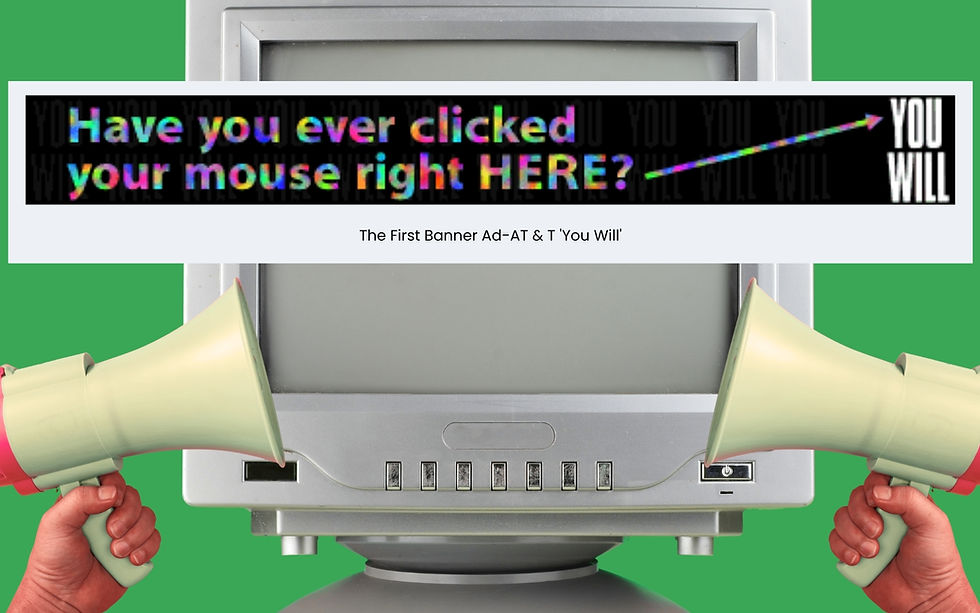
Digital marketing has traveled an extraordinary distance since the first banner ad appeared on HotWired.com in October 1994. That small rectangular advertisement for AT&T, which invited users to click and explore, achieved a click-through rate of 44 percent, a number that modern marketers can only dream of. Today, average banner ad click-through rates hover around 0.1 percent. Yet digital marketing has never been more powerful, more precise, or more indispensable. The journey from that first banner to today's AI-driven, omnichannel, data-rich marketing ecosystem tells the story of how technology, consumer behavior, and competitive pressure have continuously reshaped the discipline.
The Early Years: Search and Email Domination
In the late 1990s and early 2000s, digital marketing was largely defined by two channels: search engines and email. Google's launch in 1998 and the rapid rise of search engine optimization gave brands a new way to be discovered. Email marketing, though primitive by today's standards, offered direct access to customers' inboxes at minimal cost.
Pay-per-click advertising arrived in 2000 with Google AdWords, allowing businesses of all sizes to bid for visibility on search results pages. For the first time, marketing budgets could be directly tied to measurable outcomes, namely clicks. This accountability marked a turning point in how marketing ROI was evaluated.
The Social Media Era
The mid-2000s brought the social media revolution. MySpace, Facebook, Twitter, YouTube, and later Instagram and LinkedIn created entirely new arenas for brand communication. Marketing was no longer a one-way broadcast. It became a conversation. Brands had to develop authentic voices, engage with audiences in real time, and navigate the risks of public scrutiny.
Social media also democratized marketing. A small business with a compelling story and a smartphone could reach millions without a significant advertising budget. Influencer marketing emerged as a natural extension of this shift, with everyday people amassing loyal followings and becoming powerful brand advocates.
The Mobile Revolution
The launch of the iPhone in 2007 and the subsequent explosion of smartphone adoption fundamentally changed consumer behavior. People were no longer sitting at desks to browse the web. They were searching, shopping, and socializing on the go, in the middle of conversations, during commutes, and in quiet moments before sleep.
Mobile marketing forced a complete rethinking of how digital content was designed and delivered. Responsive design, mobile-first indexing, app marketing, SMS campaigns, and location-based targeting all became essential components of a modern marketing strategy.
Data, Analytics, and Personalization
As digital platforms matured, so did the sophistication of marketing analytics. The ability to track every click, open, scroll, and purchase created an unprecedented understanding of customer behavior. Marketers gained access to dashboards that could tell them not just what was happening but why.
This data abundance gave rise to personalization. Rather than broadcasting the same message to everyone, brands could now tailor communications based on demographics, behavior, preferences, and stage in the buying journey. Personalized emails, for instance, deliver six times higher transaction rates than generic ones.
The Omnichannel Imperative
Modern consumers do not distinguish between online and offline experiences. They expect seamless, consistent interactions across websites, apps, physical stores, social media, email, and customer service. This reality has made omnichannel marketing not a luxury but a necessity.
Successful brands today map the full customer journey and ensure that each touchpoint reinforces a consistent brand message while responding to the individual's specific context and needs.
Where We Are Now
Today, digital marketing is defined by behavioral intelligence, the ability to understand and anticipate what customers want before they consciously know it themselves. AI, machine learning, big data, and real-time analytics have given marketers tools of extraordinary power. The challenge is using them with equal measures of intelligence and integrity.
The evolution of digital marketing is a story of continuous adaptation. Each technological wave has brought new opportunities and new demands. The brands that have thrived are those that embraced change, stayed close to their customers, and never lost sight of the fundamental truth: marketing is about creating genuine value for real people.
Find out more at the Intrigue MAdVerse Summit 2026


Comments